



The Role of Logistics in Successful International Trade

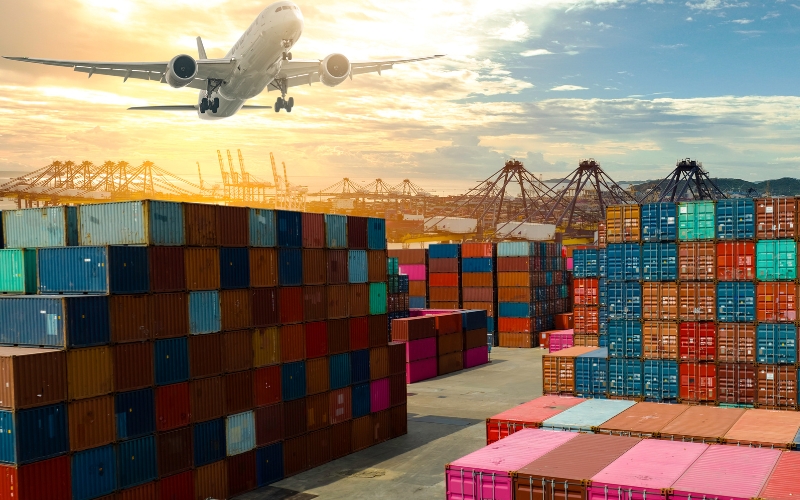
In the world of international trade, success isn’t just about having a great product – it’s about getting that product to the right market, at the right time, and in perfect condition. That’s where logistics comes in.
Efficient logistics is the backbone of global commerce, linking manufacturers, suppliers, and buyers across continents. Without it, even the most in-demand products can suffer from delays, increased costs, or damaged goods.
At Atlas Global Connect, we understand that logistics is more than moving goods – it’s about building trust, maintaining quality, and ensuring your business thrives in competitive global markets.
Why Logistics Matters in International Trade
International trade involves multiple moving parts – from sourcing raw materials to delivering finished products across borders. Logistics is the system that keeps those parts moving in sync.
Effective logistics ensures:
- Timely deliveries to meet market demand
- Cost-efficient operations that protect profit margins
- Compliance with trade regulations to avoid delays and fines
- Customer satisfaction through reliable service
Key Components of International Trade Logistics
1. Transportation Management
Choosing the right transportation mode – sea, air, rail, or road – is critical. Each comes with its own costs, transit times, and capacity limitations.
For example:
- Sea freight is cost-effective for bulk goods but slower.
- Air freight is fast but more expensive.
- Multimodal solutions can balance speed and cost.
2. Warehousing and Inventory Control
Strategically located warehouses allow exporters to store goods closer to key markets, reduce delivery times, and manage seasonal demand. Proper inventory control prevents overstocking, understocking, and costly storage fees.
3. Customs Clearance
Smooth customs clearance is essential to avoid bottlenecks at the border. This involves accurate documentation, correct HS codes, and compliance with both origin and destination regulations.
4. Packaging and Handling
Export packaging must protect goods during long transit, often across multiple climates and handling points. It should also meet the destination country’s labelling and safety requirements.
5. Supply Chain Coordination
International trade requires coordinating multiple stakeholders – suppliers, carriers, customs brokers, and buyers – often across different time zones and languages. Strong coordination prevents delays and miscommunication.
Challenges in Global Logistics
Even with the best planning, exporters face challenges such as:
- Port congestion and delays
- Fluctuating freight rates
- Geopolitical disruptions
- Regulatory changes
- Limited capacity during peak seasons
A capable logistics partner anticipates these challenges and has contingency plans to keep shipments on track.
How Efficient Logistics Drives Trade Success
Efficient logistics isn’t just a cost-saving measure – it’s a growth strategy. Businesses with streamlined logistics can:
- Reach new markets faster
- Respond quickly to changing demand
- Build a reputation for reliability
- Reduce wastage and damage costs
Atlas Global Connect: Your End-to-End Logistics Partner
At Atlas Global Connect, we manage logistics with precision and care:
- Global transportation network across sea, air, and land
- Secure warehousing in strategic locations
- Expert customs clearance and compliance support
- Tailored packaging solutions for different product categories
- 24/7 shipment tracking and updates
Our goal is simple – to make your international trade operations seamless, cost-effective, and dependable.
FAQs
Q1: Is it better to use one logistics provider for all shipments or multiple?
A single provider ensures better coordination, while multiple providers may offer specialised routes or services. It depends on your product mix and markets.
Q2: How can I reduce logistics costs in export?
Optimise routes, use consolidated shipments, and work with partners who have established carrier relationships for better rates.
Q3: What’s the most common cause of delays in international logistics?
Incomplete or incorrect documentation is a leading cause, followed by port congestion and customs inspections.